Iván Weigandi
  • Research
  • Teaching
  • Blog
  • Data
  • CV
    • Academic
    • Professional
  • Publications
  • Working Papers
  • Policy & Other

Global Money and the Balance of Payments: How Do Global Banks Drive the Cross-Country US Dollar Credit Conditions?
Review of Keynesian Economics, Volume 14, Issue 2. April 2026

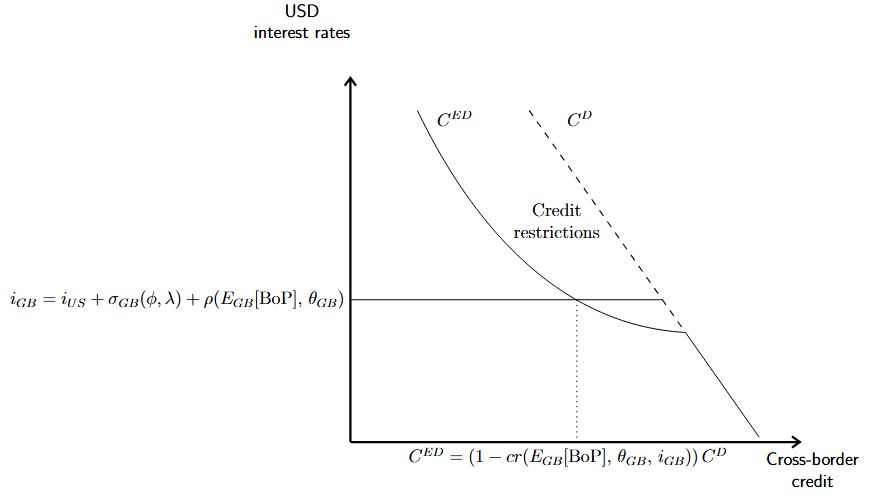
The US dollar is the most widely used cross-border means of payment. Countries require access to these US dollars to pay for most of their balance of payments-related transactions, and restricted access to them can constrain their growth possibilities. Yet, the literature about the mechanisms behind the creation and distribution of US dollars across borders is fragmented. Based on the endogenous money and Minskyan perspectives, this paper explores theoretically how internationally accepted US dollars are created through global banks’ credit operations. The credit conditions of these operations ultimately influence the countries’ costs and ability to participate in cross-border transactions. Particularly, this paper explores how global banks determine cross-country US dollar credit conditions based on two main factors: their general pricing decisions, determined by their desired balance sheet structures, and their assessments of the borrowers’ creditworthiness, which are based on their expectations regarding borrowers’ future access to US dollars. Fluctuations of these factors can act as exogenous sources of pressure for the balance of payments of countries across the world.

Link

Non-Bank Financial Institutions in the Extended Banking System: A Functional Taxonomy
Review of Political Economy, Volume 37, Issue 5. December 2025

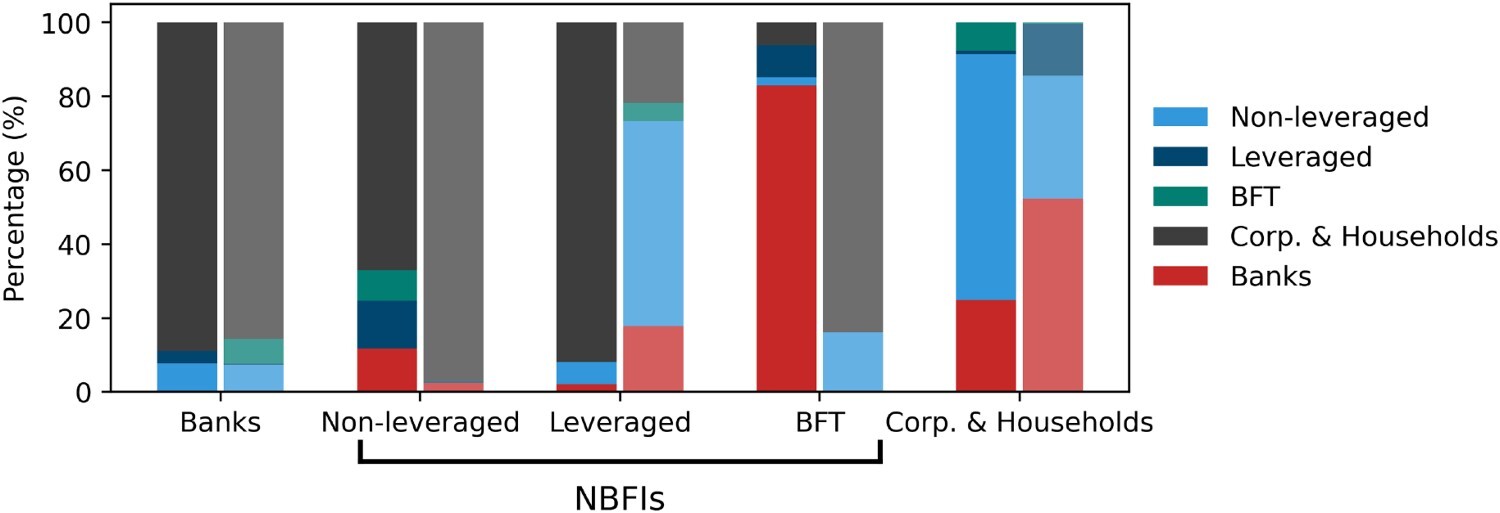
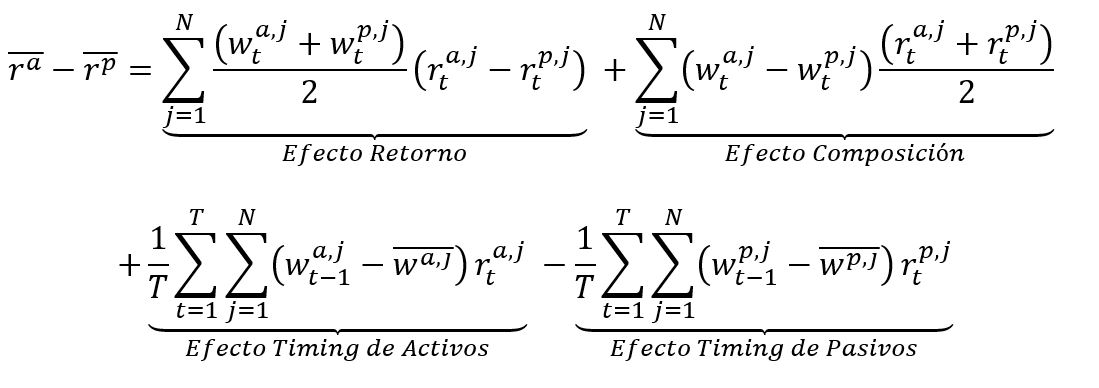
In recent years, Non-Bank Financial Institutions (NBFIs) have overtaken banks as key actors in various financial activities. However, NBFIs encompass a wide range of institutions with diverse business models, making it essential to clarify their roles in the financial system. While post-Keynesian research highlights that NBFIs are integrated into the banking system — rather than functioning as a separate alternative — existing approaches often oversimplify their diversity or rely on overly detailed descriptions. This paper addresses the gap by proposing a simple, theoretically grounded taxonomy of NBFI activities based on post-Keynesian and Minskyan insights. It classifies NBFIs’ activities into three categories: (1) non-leveraged lending, where NBFIs passively accept bank-created deposits and use them to purchase financial assets, potentially expanding credit without increasing the money supply; (2) leveraged lending, where NBFIs borrow from financial institutions to extend credit, potentially increasing both credit and deposits; and (3) banks’ funding transformation, where NBFIs restructure banks’ liabilities through instruments like repos or securitization. Drawing on recent US data, including the From-Whom-to-Whom dataset, the paper provides support for the framework, showing how NBFIs increasingly operate alongside and within the banking system. This perspective helps clarify their macro-financial implications and informs ongoing debates around regulation and systemic risk.

Link

Diferencial de retornos y efectos de valoración en el balance externo argentino (1993-2023)
Desafíos del Desarrollo, 6, 1-29. December 2024

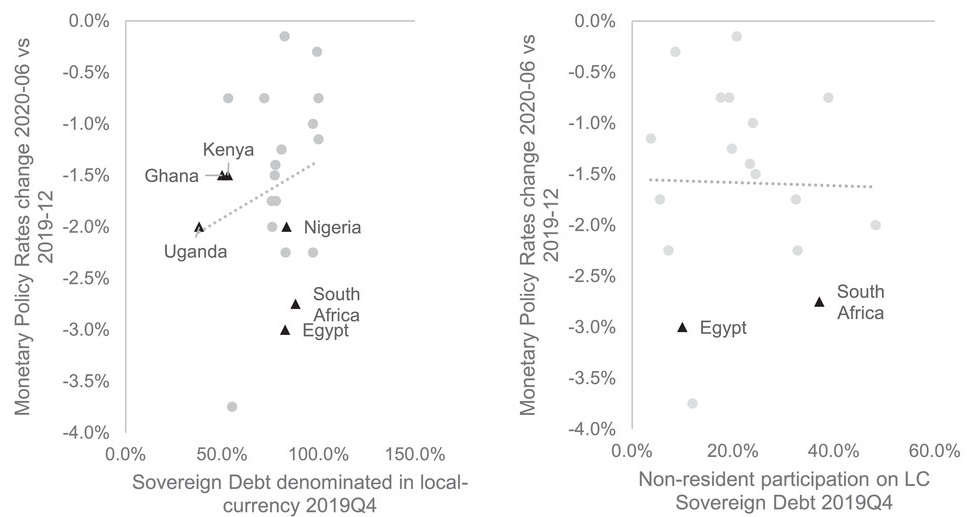
During the convertibility, Argentina maintained a debtor position vis-à-vis the rest of the world, while in post-convertibility it holds a creditor position. However, in both periods the country recorded large deficits in the Investment Income account within the Current Account. From 2010 onwards, the Current Account turned negative without negatively affecting the country’s Net International Investment Position. To explain these phenomena, the paper presents an analysis of the return differential in Argentina’s external balance sheet is, considering both the income received and paid and the capital gains on external assets and liabilities. The results indicate that these financial factors played a key role between 1993 and 2003. Cumulative net income flows accumulated a deficit of $309.862 million dollars, while changes in the prices of these assets and liabilities generated $308.882 million dollars in capital gains. The calculation of the return differential between assets and liabilities indicates that it was negative, averaging -3.6 %. This differential is explained both by the weight of each type of instrument in the external balance sheet and by the difference in returns between similar instruments in external assets and liabilities. In conclusion, the negative return differential explains the persistent deficits in Investment Income, even with a creditor position vis-à-vis the rest of the world. On the other hand, capital gains explain how, despite having an accumulated deficit in the Current Account since 2010, the Net International Investment Position improved, particularly due to strong devaluations during that period.

Link

Local Currency Bond Markets in Africa: Resilience and Subordination

Development and Change. Volume 54, Issue 5. October 2023 - Co-authors: Florence Dafe, Annina Kaltenbrunner, Ingrid Harvold Kvangraven.

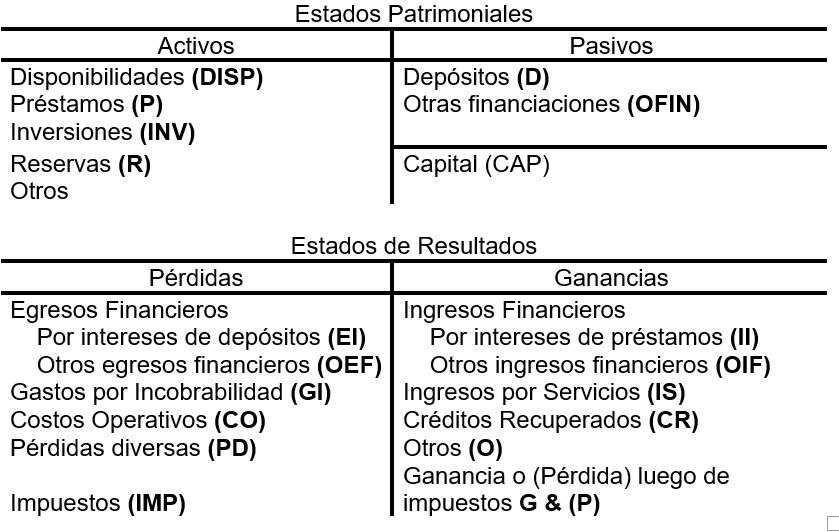
This article examines the development and implications of local currency bond markets (LCBMs) in African countries in the context of international financial subordination (IFS). Despite the promotion of LCBMs as a solution to debt vulnerability, there is a dearth of research that offers a systematic empirical examination of their actual benefits along with conceptual explanations as to when and why such benefits may or may not materialize. This is especially true for countries at the bottom of the global economic hierarchy. To explore how the subordination in global production and financial systems shapes LCBM development, the article offers an empirical analysis of selected African countries that combines interviews with policy makers, officials and experts with statistical data. The findings suggest that while LCBMs offer some benefits, such as mitigating risks associated with foreign currency debt, their potential is limited by the structural processes created by IFS, such as their dependence on the global financial cycle, the relatively higher costs of this debt and the sustained constraint on macroeconomic policy making. However, there are also domestic factors which shape how these structural constraints are mediated in the context of LCBM development — in particular, historically developed financial structures of developing countries, the political economy of the state and the structure of production. This study thus contributes to the debate about the developmental benefits of domestic debt market development and the emerging research agenda on IFS.

Link

Lo microfundado: Un contraste entre las teorías de Robert Lucas y Jens Beckert
Papeles de trabajo, IDAES. Volume 11, Issue 20. December 2017 - Co-author: Lucia Giambroni.

En 1976, el economista Robert E. Lucas argumenta que la síntesis neoclásica-keynesiana incurre en un error al no considerar que las reacciones de los agentes se modifican ante cambios en la política económica; por ello, propone poner el foco en los “parámetros profundos” que implican las preferencias individuales. La crítica de Lucas ha sido la base de los modelos macroeconómicos dominantes, microfundados a partir de agentes maximizadores que parten de expectativas racionales. Ahora bien, dadas las limitaciones que ha demostrado este enfoque, en especial a la hora de abordar de manera satisfactoria las motivaciones que suscitan la acción, resulta pertinente incorporar y contraponer el análisis de Jens Beckert, en tanto representa un cambio de perspectiva radical frente al abordaje dominante. Si, de acuerdo al autor, lo que motiva la acción económica es la intención “razonable” de obtener el mejor resultado, materializada a través de decisiones tomadas en base a “expectativas ficticias”, la posibilidad del cálculo -fundante en el modelo neoclásico- desaparece. En un contexto de incertezas, no hay cálculo racional posible. Esto permite resignificar el abordaje micro fundado, alejado del resultado determinista al que lo ha reducido el individualismo metodológico.

Link

El spread bancario frente a la regulación de tasas
Revista de Ciencias Empresariales. Issue 2. December 2016

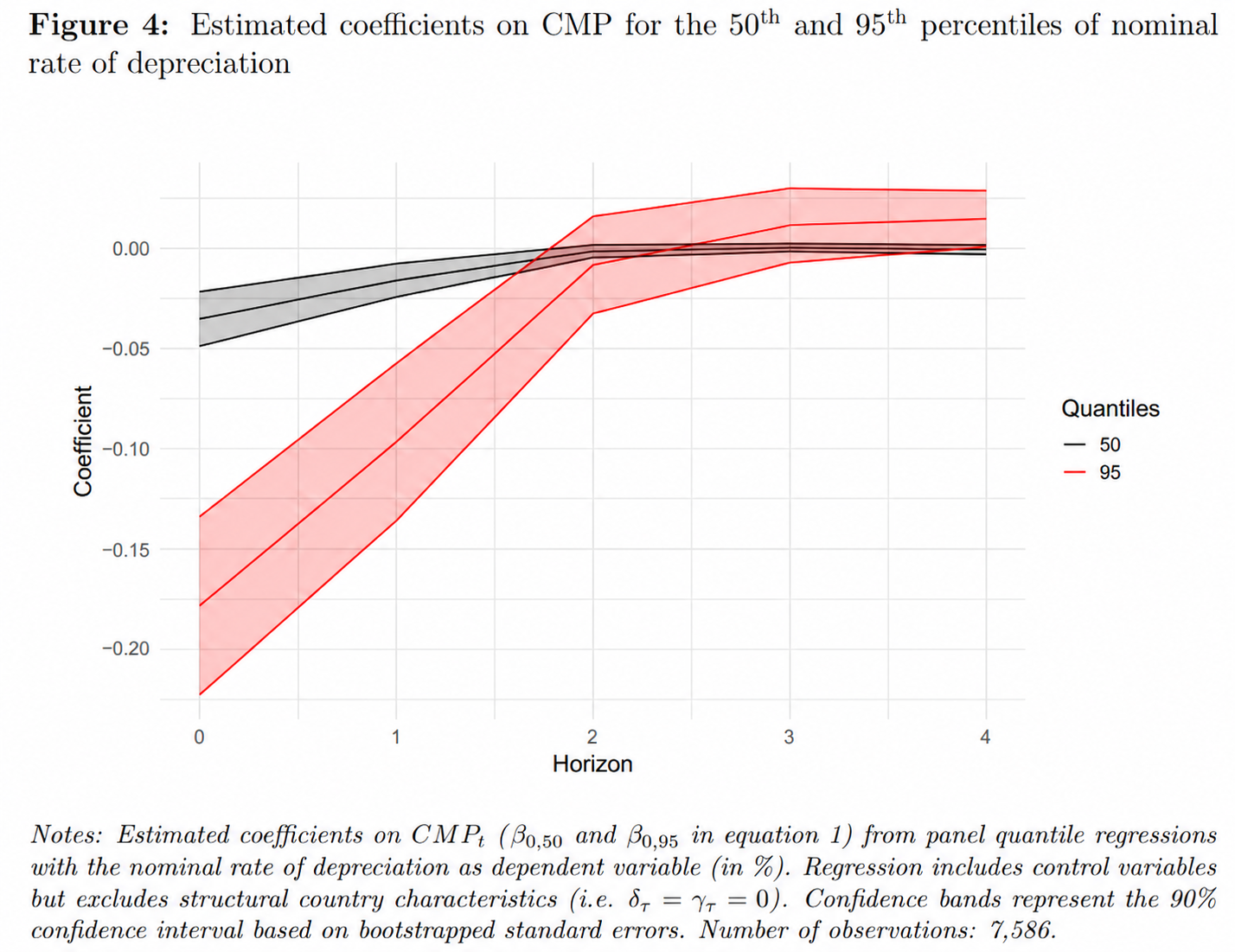
Este trabajo busca analizar los efectos de la disposición de tasas activas máximas y tasas pasivas mínimas por parte del Banco Central de la República Argentina sobre el spread entre el cociente de ingresos financieros sobre los préstamos y el cociente de los egresos sobre los depósitos de los bancos privados que operaron en Argentina en el periodo 20122015. Luego de enumerar algunos modelos teóricos post-keynesianos para explicar cómo definen las diferentes tasas nominales los bancos comerciales, se analiza desde los estados financieros, como se comporto efectivamente el spread bajo las distintas regulaciones de la autoridad monetaria central. Los resultados demuestran que mas allá de las tasas máximas y mínimas, el spread efectivo no disminuyó, sino todo lo contrario.

Link

No matching items

Global Banks’ Leverage and Global Liquidity

Under review at the Journal of International Money and Finance

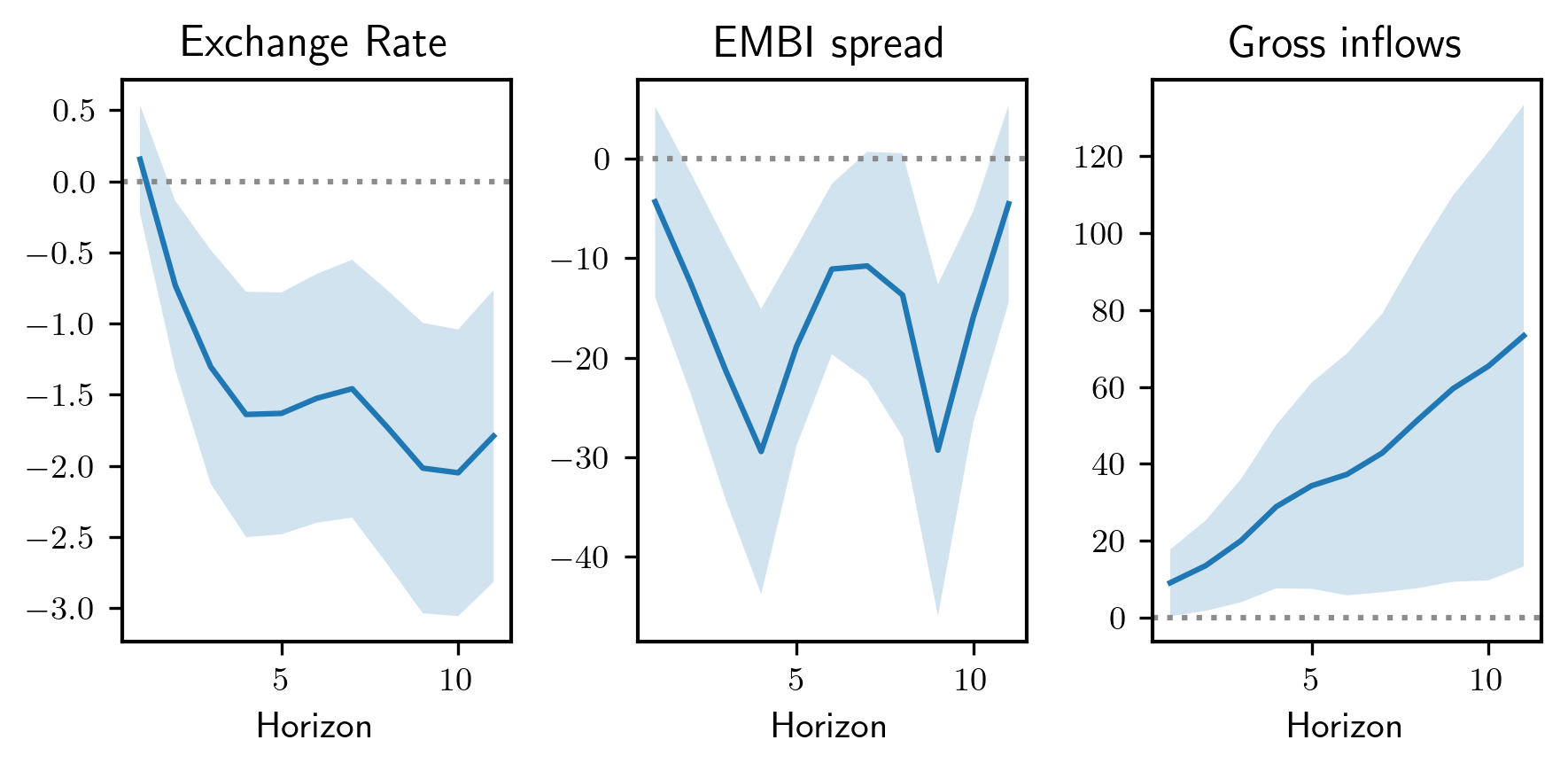
This paper studies the role of global banks as a source of shocks to global liquidity. Shifts in global liquidity can drive cross-border flows, asset prices, and exchange rates, with implications for financial stability. While the existing literature emphasizes global banks as amplifiers of global shocks, I provide causal evidence that idiosyncratic leverage shocks to these institutions loosen global liquidity conditions. The analysis exploits the high concentration of global banking to construct a Granular Instrumental Variable from the size-weighted sum of bank-level idiosyncratic leverage shocks. These shocks are estimated using Instrumented Principal Component Analysis, which accounts for bank-specific and time-varying exposures to common global factors. Using the instrument and panel local projections, I estimate the dynamic causal effects of these banks’ leverage shocks on key global liquidity measures for an unbalanced panel of 74 advanced and emerging market economies from 2000Q1 to 2022Q4. Higher global banks’ leverage shocks significantly appreciate exchange rates against the dollar, reduce US dollar-denominated bond spreads, and increase gross cross-border inflows. Significant effects on total cross-border flows indicate broader spillovers across asset markets. They underscore the systemic relevance of G-SIBs in driving global financial conditions and support macro-financial models where financial intermediaries’ leverage is a key state variable influencing risk-taking and asset prices. By showing that global banks can originate, rather than merely transmit, global shocks, this paper adds to the literature on the global financial cycle and the international transmission of financial conditions.

Mark Hayes Prize

Hierarchical, cyclical and increasingly market-based: The rise of non-bank financial institutions in global finance

Invited contribution to Development and Change Forum

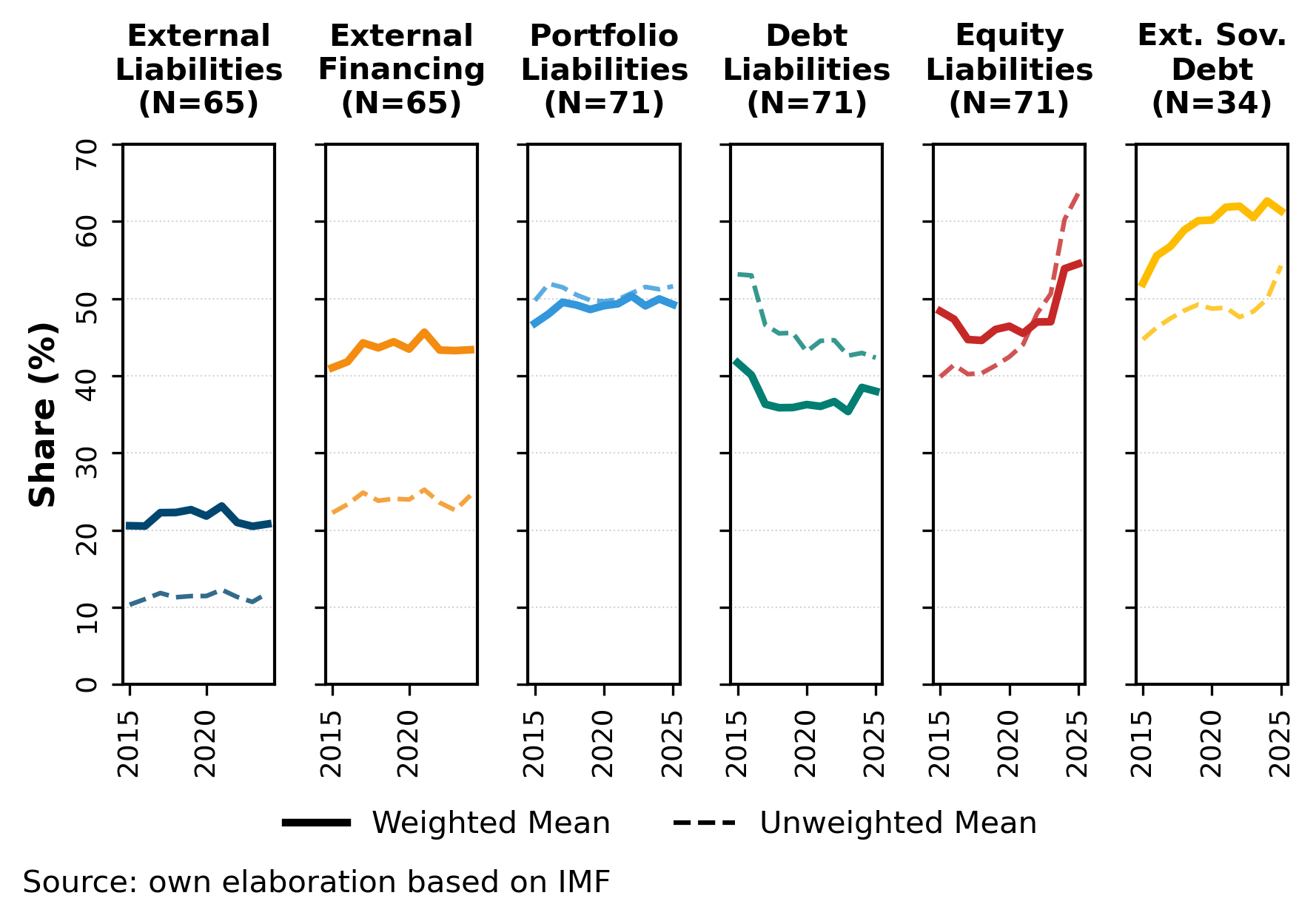
This paper examines how the rise of Non-Bank Financial Institutions (NBFIs) is reshaping the cyclical and hierarchical features of the international monetary and financial system (IMFS), with particular focus on the implications for Global South economies. It argues that the expansion of NBFIs reorganizes rather than replaces bank-based intermediation, deepening financial integration through new creditor structures and market-based practices. By reconceptualizing counterparty risk as funding fragility, the study highlights how the composition and behavior of creditors serve as decisive factors for a borrower’s financial resilience. To clarify these dynamics, the paper develops a functional taxonomy of NBFI activities, situating them within an extended banking system. This framework moves beyond the bank-non-bank dichotomy to show how specific funding structures determine leverage elasticity and condition the interaction between NBFIs and traditional banks. The analysis reveals that NBFIs actively providing funding to the Global South are often equity-driven, leading to procyclical behavior that amplifies boom-bust dynamics and exposes emerging markets to redemption risks and benchmark-driven flows. Furthermore, the paper finds that the concentration of NBFIs in advanced economies reinforces the international role of the US dollar and maintains established creditworthiness conventions. Ultimately, the rise of NBFIs extends global financial circuits without altering the underlying asymmetries of access to liquidity. For the Global South, resilience depends not only on debt sustainability but on managing structural dependencies within this evolving creditor landscape.

An Investigation into the Barriers to Local Currency Lending by Multilateral Development Banks

In preparation - Co-authors: Annina Kaltenbrunner, Bruno Bonizzi, Karina Patricio Ferreira Lima.

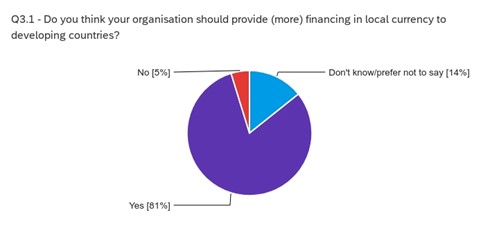
A key manifestation of international financial subordination - and macro-financial constraint on development - is the need of developing countries to issue foreign currency debt. Indeed, the literature on “original sin” has widely discussed the negative implications of foreign currency debt, including external vulnerability, the risk of financial crisis, and structural constraints on balance of payments. Though some larger emerging economies have managed to issue local currency debt, the often-large share of non-resident investors in this debt has created new vulnerabilities, such as heightened vulnerability to the global financial cycle and large exchange rate movements independent of domestic economic conditions (original sin redux). These vulnerabilities put the spotlight on the need for long-term, development-oriented providers of foreign financial resources to break that cycle and provide stable, local currency lending to countries in the Global South. As of yet though Development Finance Institutions do very little of that and remain stuck in the Bretton Woods era of dollar financing. This paper investigates the barriers to scaling up local currency financing by Multilateral Development Banks. Drawing on an extensive mixed-method study of MDB lending which combines semi-structured interviews and a survey with MDB representatives, it puts a spotlight particularly on the institutional, regulatory and cultural barriers which hinder MDBs to break out of dollar dominance and terminate the vicious cycle of foreign currency borrowing and IFS.

Global Banks and Offshore US Dollar Funding

In preparation - Co-authors: Annina Kaltenbrunner, Bruno Bonizzi.

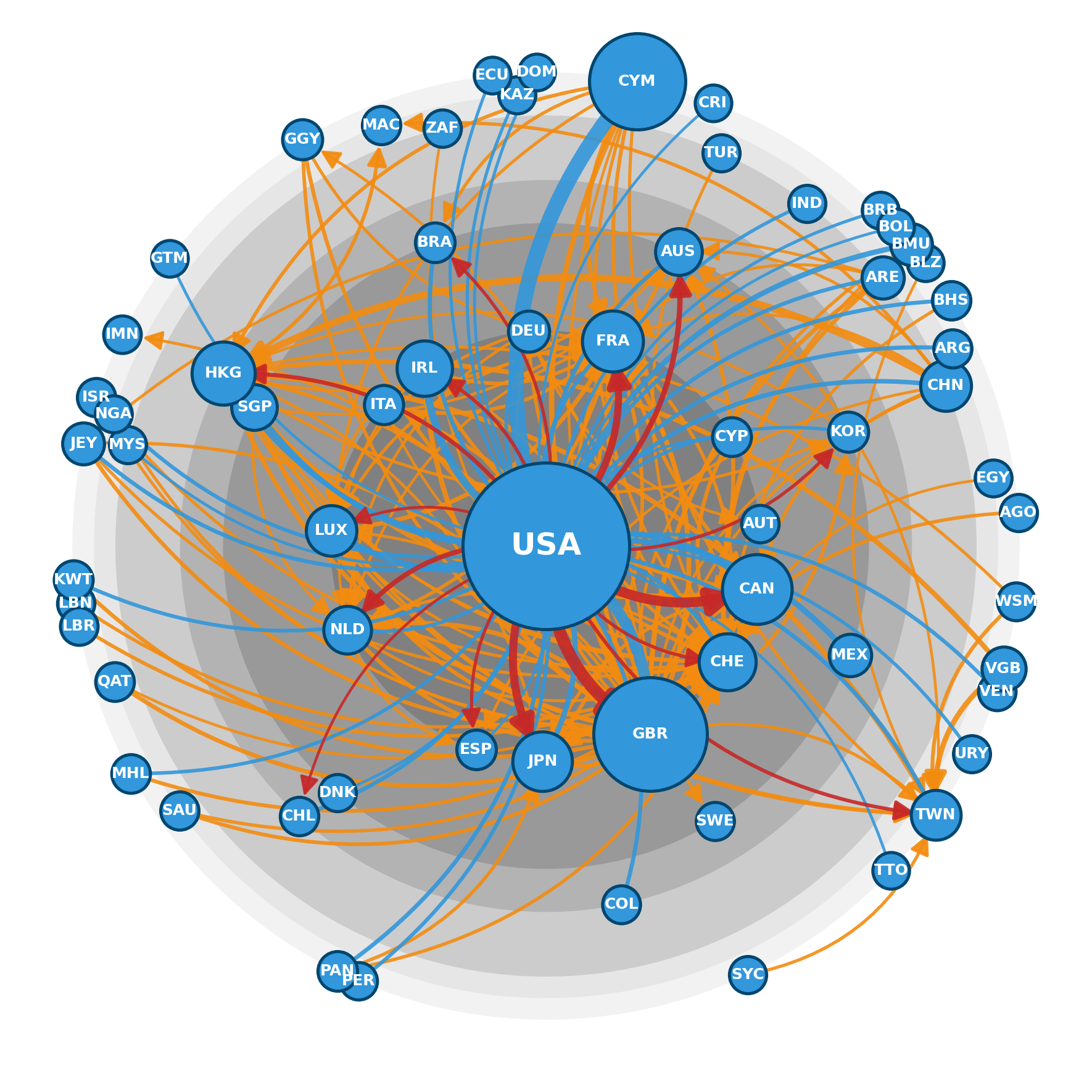
This paper examines hierarchical funding fragilities in global banking through a balance-sheet framework of layered international settlements to show how funding relationship structures determine banks’ hierarchy positions and funding risks, revealing systemic vulnerabilities that affect global liquidity across the world. It extends the Minskyan perspective, which highlights that monetary systems are organised in tiers of liabilities requiring settlement at higher levels, with a network approach. This network approach shows how the density and interconnectedness of global banks’ funding relationships determines their ability to settle liabilities and thus their position in the global funding and financial hierarchy. At the lowest level of the settlement hierarchy, a global bank with a larger client network can settle payments internally on its own balance sheet; if net withdrawals occur, at the next level interbank credit with other global banks allows deferred settlement; finally, on the highest level direct or indirect access to the Federal Reserve’s emergency lending enables final settlement. This framework extends existing analyses of offshore US dollar creation—which focus mainly on Federal Reserve liquidity provision—by revealing how access to US dollar funding through client and bank networks determines banks’ positions in the lower tiers of the hierarchy. Empirically, the paper combines network visualisations of cross-border funding relationships, with institutional analysis of infrastructures, business models, and regulation, revealing a highly asymmetric global funding network. US banks benefit from integrated onshore–offshore positions and central roles in infrastructures, while the international operations of a few non-US banks rely on branches’ wholesale funding, FX swaps from US banks, and offshore liabilities, showing that global banking hierarchies are shaped by patterns of daily operations, financial ties, and institutional arrangements developed over time, rather than by size, or policy alone.

Enabling Public Development Banks to scale up local currency financing

In preparation - Co-authors: Annina Kaltenbrunner, Bruno Bonizzi, Karina Patricio Ferreira Lima.

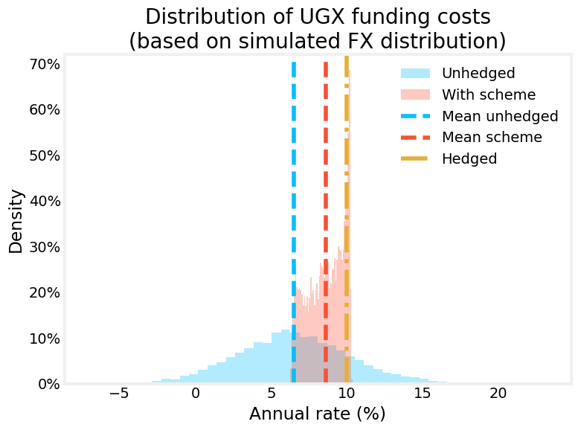
Exposure to foreign currency financing can create financial fragility in developing countries, since depreciations increase debt burdens. This exposes nations to significant exchange rate (FX) risk, increasing the volatility and cost of foreign financial flows while undermining long-term stability. While public development banks (PDBs) are key in providing local currency alternatives, they are often constrained by the same global monetary structures and high domestic interest rates that limit their lending capacity. Unlike commercial banks, PDBs depend on external financing, which becomes prohibitively expensive in high-interest environments and undermines their ability to provide affordable domestic loans. To circumvent this, PDBs often use international concessional financing, yet this exposes them to the very FX risks that constrain their local currency operations and necessitate strategies for mitigation. The paper develops an institutional case study of the Uganda Development Bank (UDB), based on applied analysis and incubation work led through the FiCS Lab in close collaboration with UDB, the Bank of Uganda, development finance institutions, policymakers, and the FiCS FX Working Group. The analysis draws on UDB’s balance-sheet structure, lending operations, and Climate Finance Facility pipeline, focusing on how the bank uses foreign-currency credit lines to finance local-currency climate lending. The paper uses FX modelling, stress-testing, and option-pricing techniques, together with legal, operational, and stakeholder engagement work, to assess alternative instrument designs developed during the FiCS incubation process. The paper proposes an innovative currency risk-sharing scheme to enable the UDB to scale local currency finance while managing its currently unhedged FX exposure by distributing FX risk across UDB, a hedge provider, and a tail-risk guarantor. Because conventional hedging through currency swaps is too costly, UDB presently bears the full FX risk of its foreign currency liabilities. The proposed scheme introduces a middle-ground solution by partially hedging this exposure and protecting UDB against large, unexpected depreciations of the Ugandan shilling through a tail-risk FX guarantee. FX risk below a specified threshold remains with UDB, while any appreciation beyond the threshold is transferred to the guarantor. The instrument is more affordable for UDB than full hedging and, on average, is profitable for the guarantor. By capping severe FX losses, the scheme stabilises UDB’s capital position and supports the sustainable provision of local currency climate finance. The guarantee may be provided by an external donor or multilateral financial institution. Please see the instrument mechanism below.

No matching items

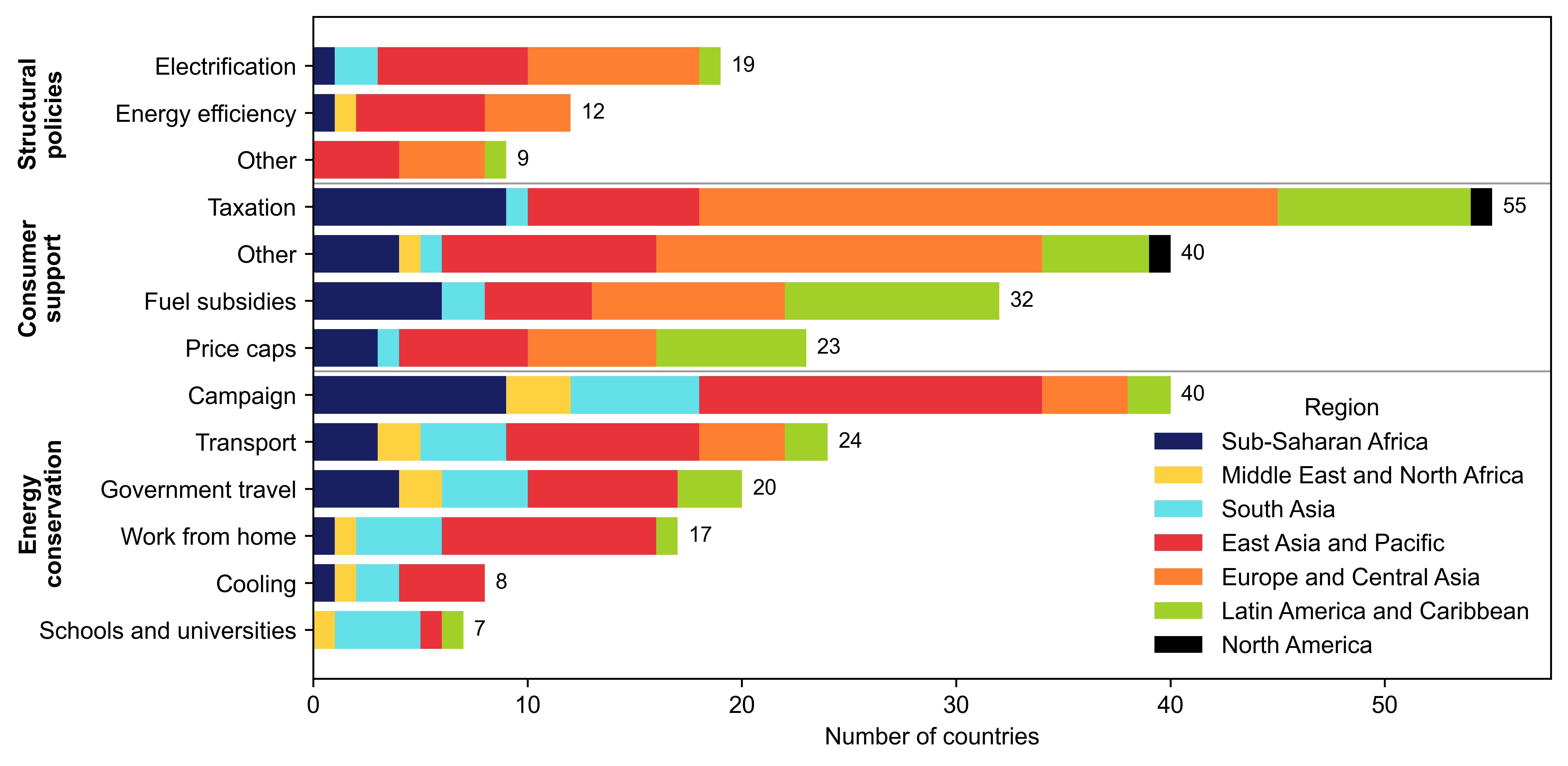
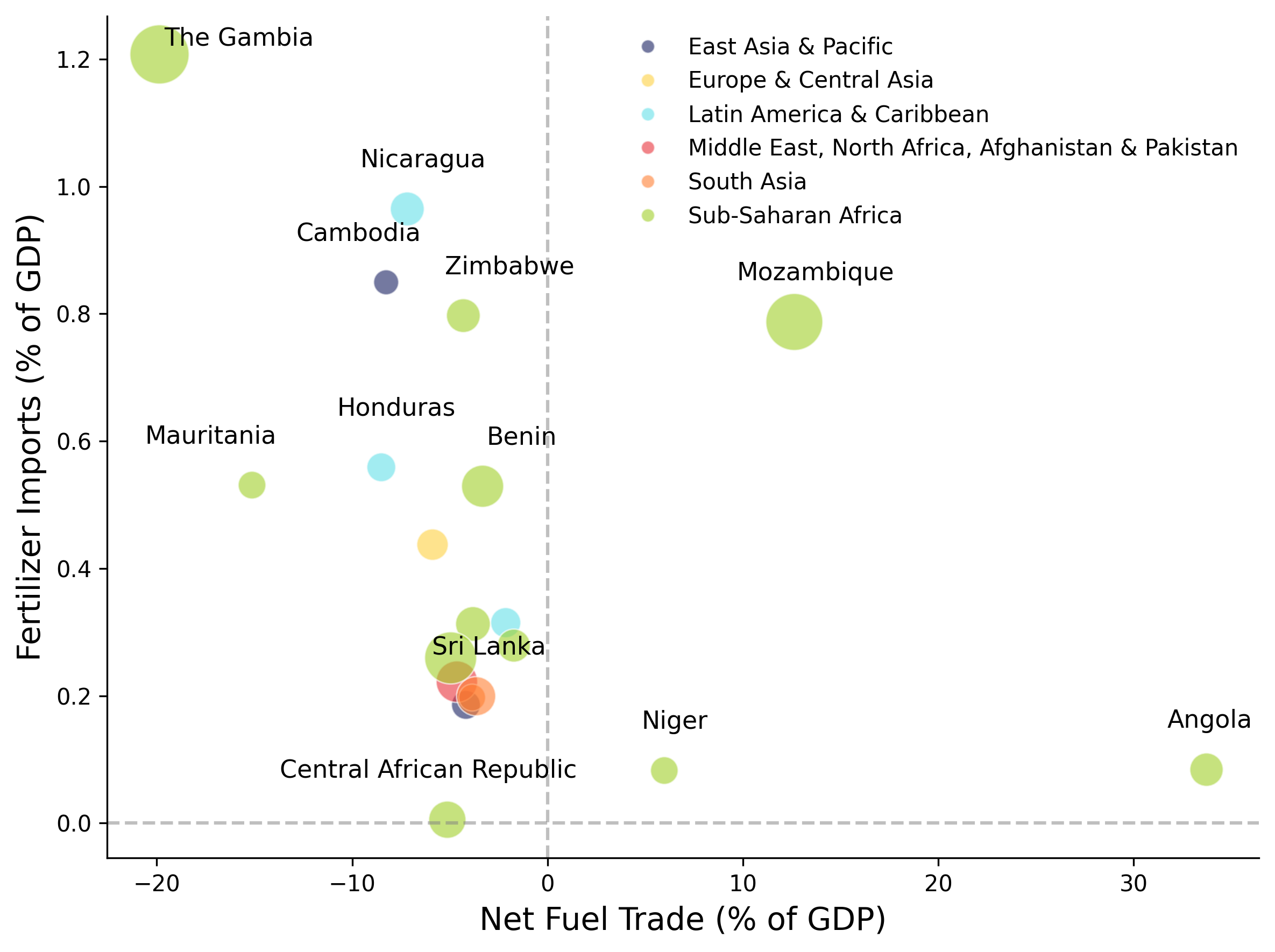
Fuel price shock: what policy responses reveal about resilience

ODI Insights, June 2026

Link

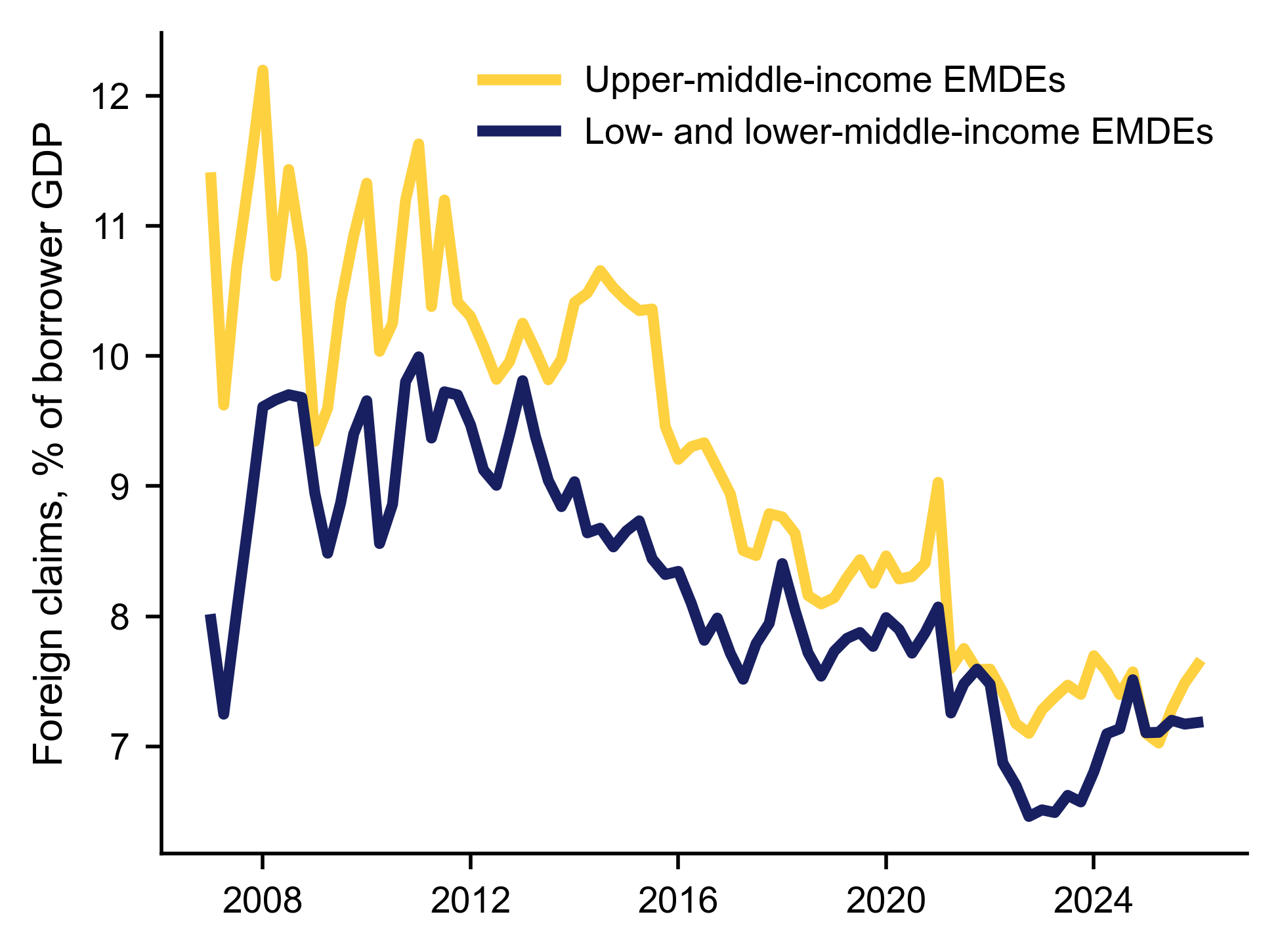
Don’t you (forget about me): global bank lending to EMDEs is in retreat

ODI Insights, May 2026

Link

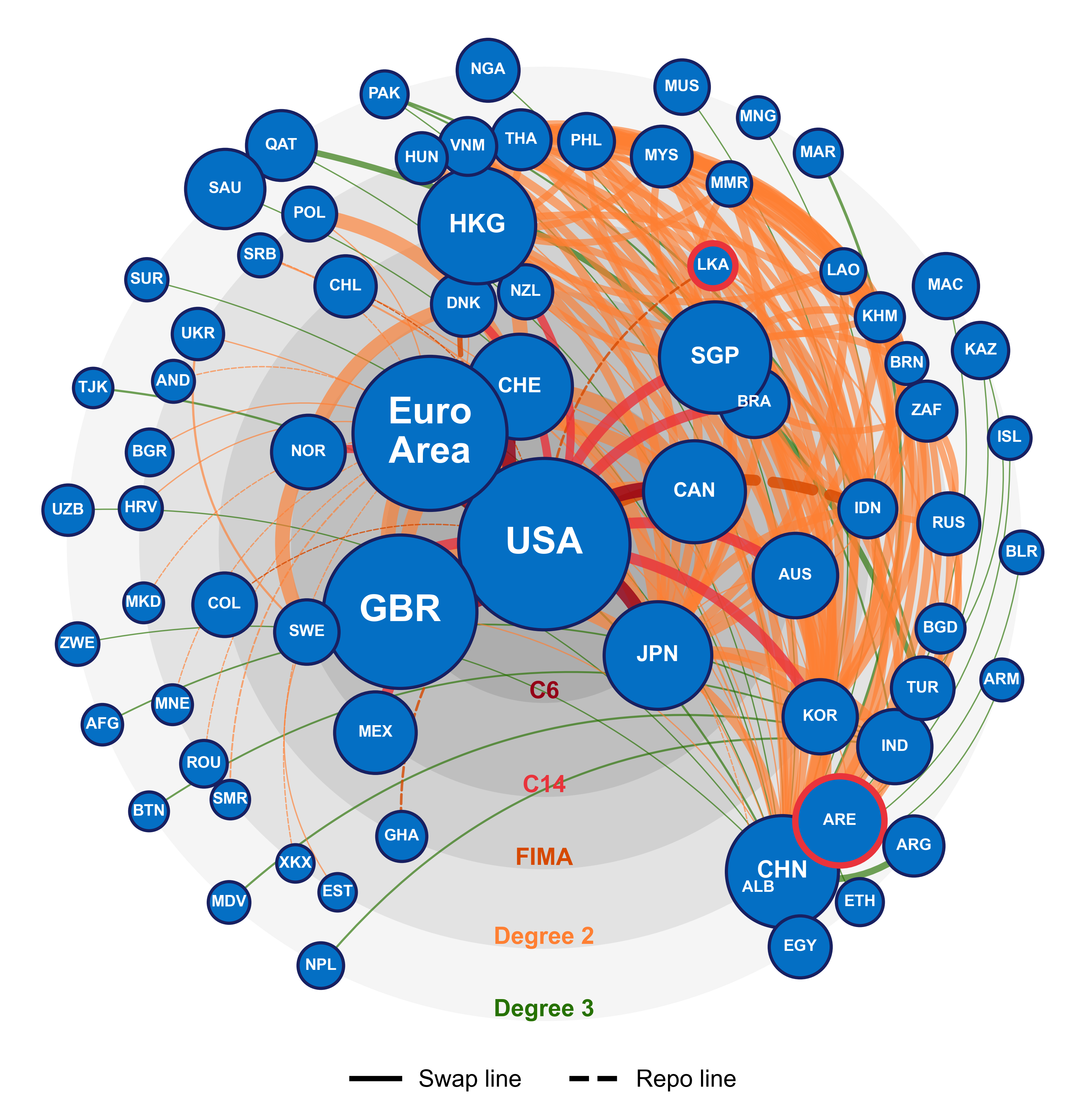
The global financial safety net could become more asymmetric amid geoeconomic fragmentation

ODI Insights, April 2026

Link

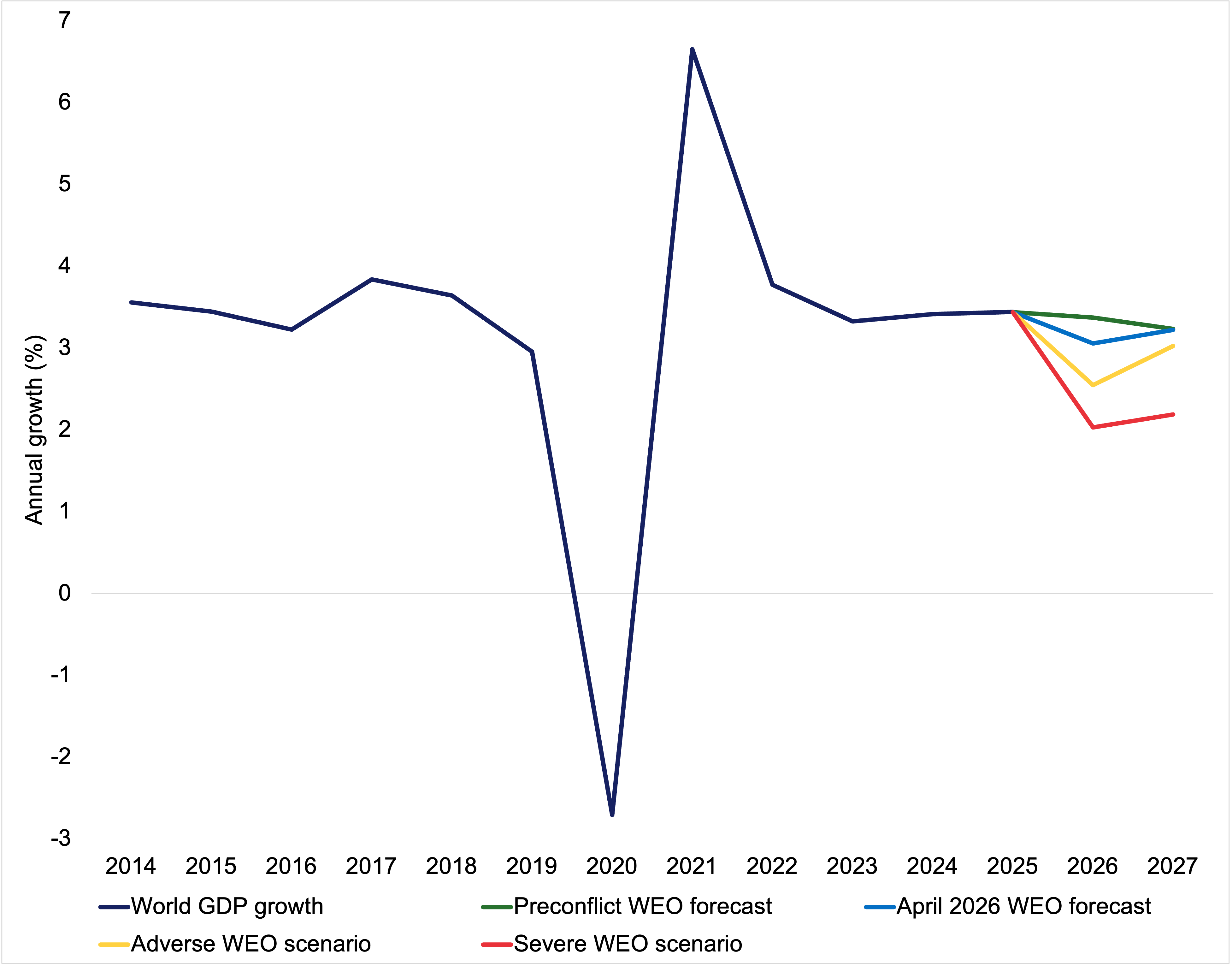
IMF Spring Meetings: global growth slowdown may signal divergent and asymmetric effects in emerging markets

ODI Insights, April 2026

Link


Reserves, rates and risks: all eyes on EMDE currency policy

ODI Insights, April 2026

Link

Navigating commodity shocks: the heterogeneous impact on EMDEs

ODI Insights, March 2026

Link

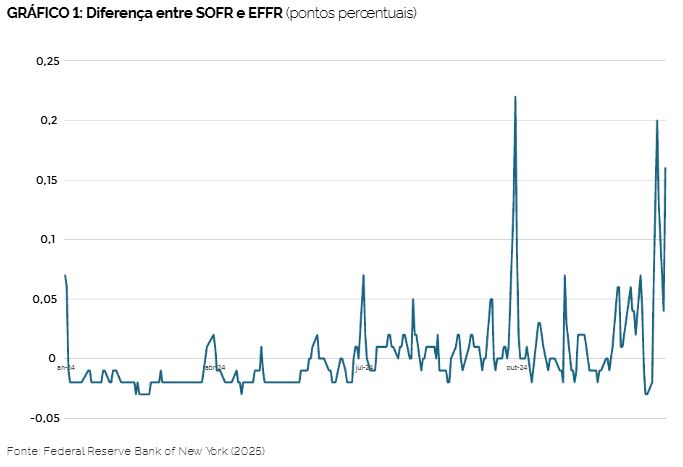
Turbulência no mercado monetário dos EUA

RETROSPECTIVA DO Sistema Financeiro 2024. UFRJ, June 2025 - Co-author: Gabriel Porto.

Link

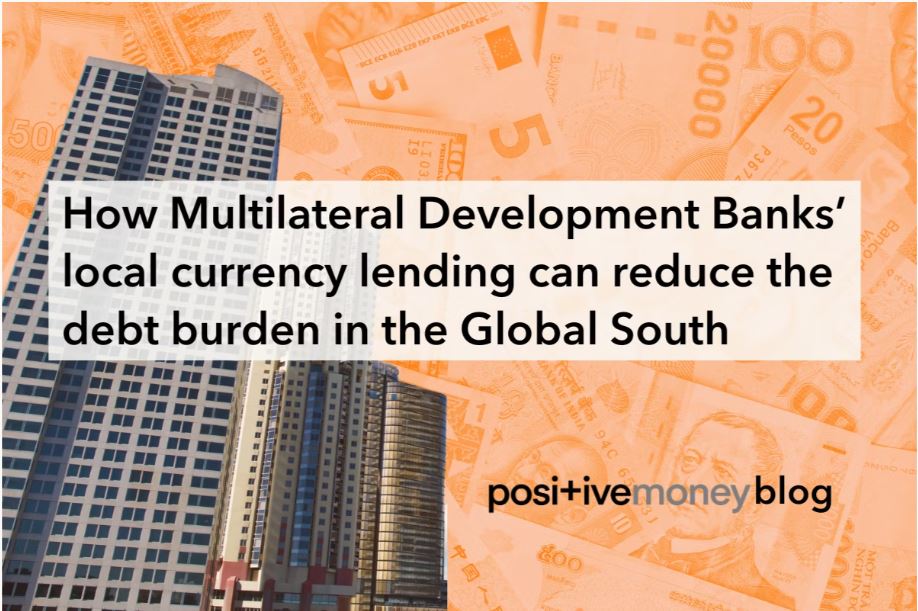
How Multilateral Development Banks’ Local Currency Lending Can Reduce the Debt Burden in the Global South - Co-authors: Annina Kaltenbrunner, Bruno Bonizzi.

Positive Money UK, March 2025

Link

Critically Assessing the Development Potential of Local Currency Bond Markets in Africa - Co-authors: Florence Dafe, Annina Kaltenbrunner, Ingrid Harvold Kvangraven.

Making Finance Work for Africa, May 2024

Review of ‘Money and Empire: Charles P. Kindleberger and the Dollar System’ by Perry Mehrling

Economic Issues, Vol. 27, Part 2, 2022, pp. 105-10

Link

Link

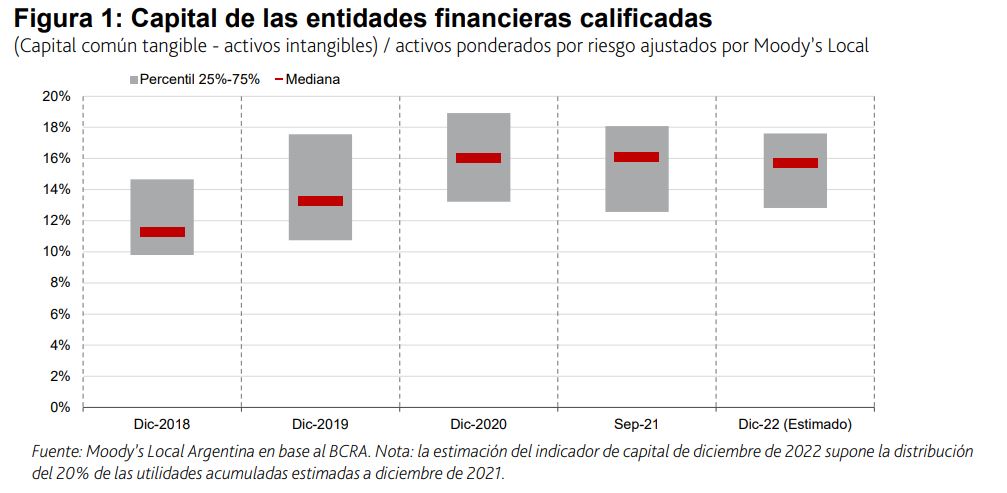
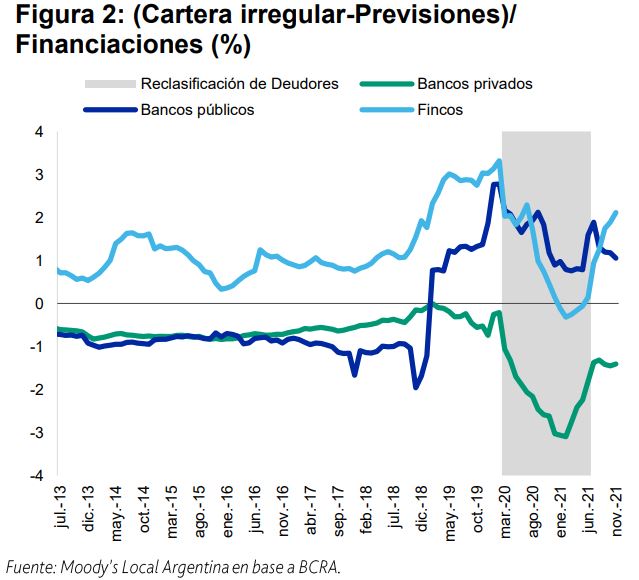
La posibilidad de distribuir dividendos en 2022 no tendrá impacto en las entidades financieras

Moody’s Local Argentina, December 2021

Read Report

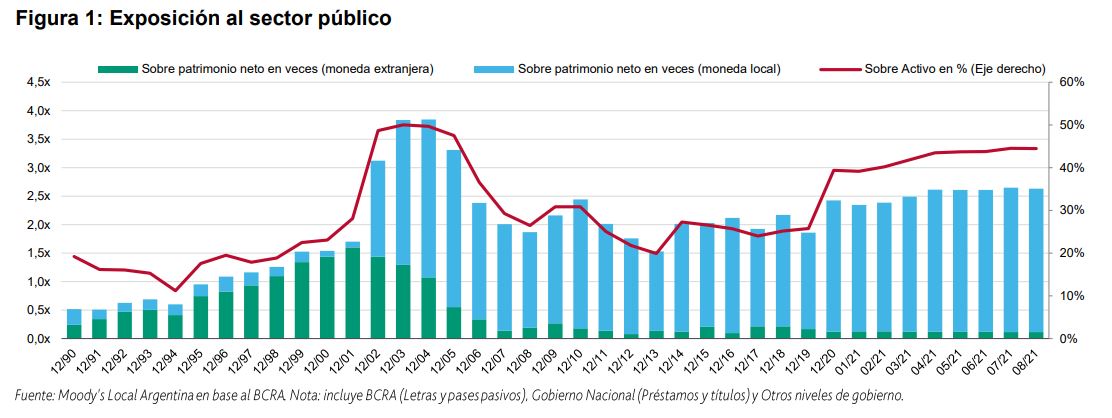
Aumento de la exposición bancaria al sector público

Moody’s Local Argentina, November 2021

Read Report

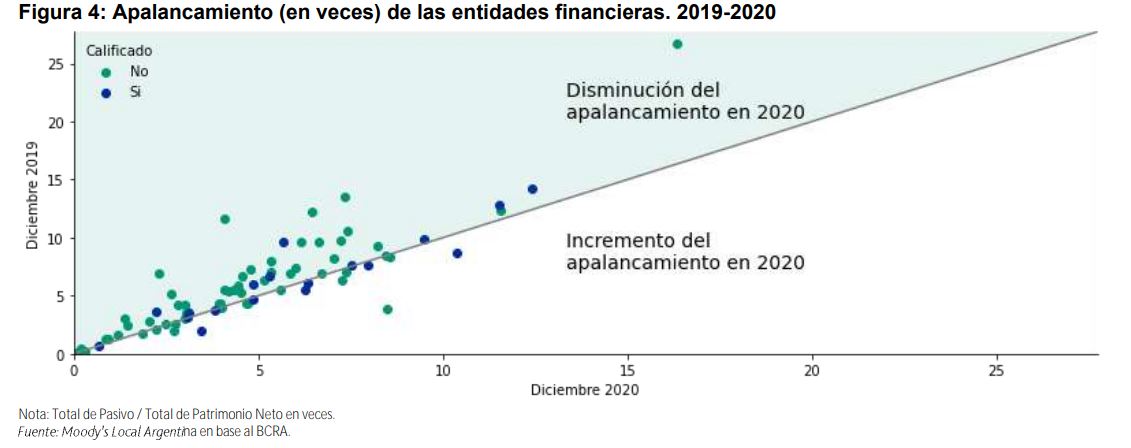
Elevados niveles de capitalización, liquidez y cobertura respaldan la perspectiva de los bancos en 2021

Moody’s Local Argentina, May 2021

Read Report

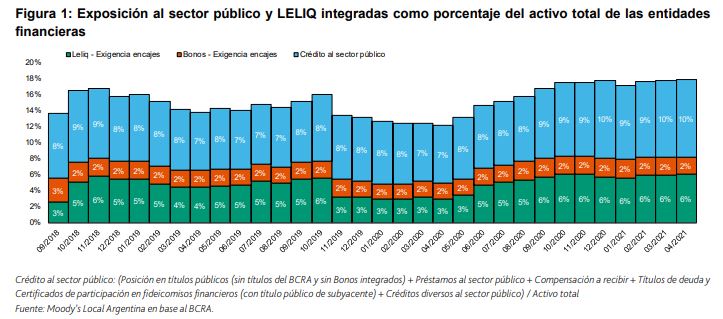
La posibilidad de integrar como efectivo mínimo bonos del Tesoro no tendría impacto en la calidad de crédito

Moody’s Local Argentina, May 2021

Read Report

Credit Perspectives for Argentina (Financial Institutions & Structured Finance)

Moody’s Local Argentina, Sector Comments (Annual Outlooks 2021-2022)

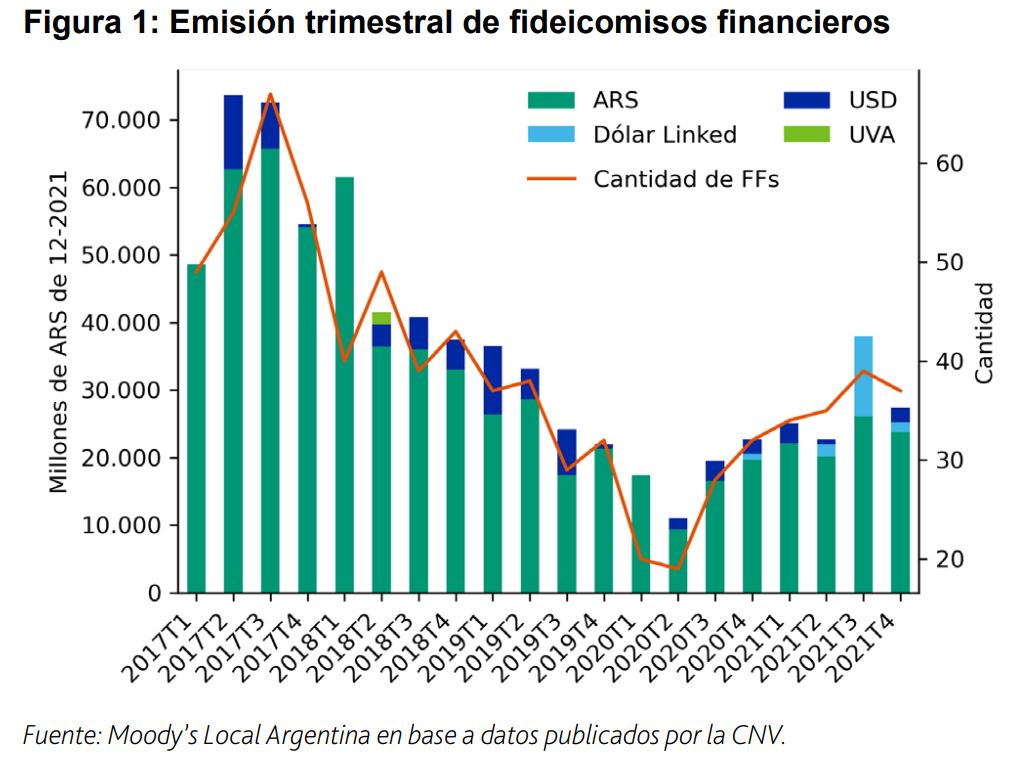
Structured Finance: 2021 Outlook 2022 Outlook

Financial Institutions: 2021 Outlook 2022 Outlook

Securitisation Quarterly Monitor

Moody’s Local Argentina, 2021-2022

1Q-2021 2Q-2021 3Q-2021 4Q-2021

No matching items